
新能源电车,开得爽,但有些“病”你得知道|New Energy Electric Vehicles: A Blast to Drive, But Here Are the “Ailments” You Should Know About
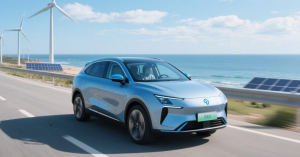
自从新能源车满街跑,充电桩比便利店还常见。开过电车的人都说“回不去了”,那顺滑、那省钱。但你得知道,这“电爹”养起来,可不比传统油车省心。有些问题,是实实在在让你心里不踏实的。
一、里程:不是数字,是心情
续航焦虑是电车的“祖传心病”。官方续航看着漂亮,动辄五六百公里,那是在理想条件下测的。一到现实里,开空调、冬天低温、高速跑快了,续航直接打个七折甚至对折。这还不是最要紧的,关键是这个折扣不透明。油车没油了,加油五分钟,满血复活。电车呢?眼看着电量掉得比手机还快,心里就开始盘算:能不能撑到充电桩?那个桩有没有人占着?坏了没有?所以开电车的,个个都像强迫症,盯着电量百分比,比看速度表还勤。
二、充电:一道复杂的数学题
就算你找到了充电桩,麻烦才刚刚开始。
• 速度玄学:快充桩写着半小时充到80%,可电池为了保护自己,最后那20%会充得极慢,快充也变“慢充”。要是冬天电池凉了,还得先花时间给电池“热身”,才能正常充电。
• 占位与损坏:油车占充电位,老旧桩子充不进电,那是家常便饭。更糟心的是,不同品牌的充电桩,App五花八门,要预充值、要扫码、要排队,流程比点外卖还复杂。
• 家充是奢侈品:有固定车位、物业同意、电网能装,这三座大山让很多人望而却步。没有家充,就得天天去公共桩“打游击”,体验大打折扣。
三、电池:一个会“衰老”的心脏
电池是电车最贵的部件,也是最大的不确定性。
• 衰减躲不掉:用个三五年,电池容量自然衰减,续航越来越短。虽然厂家有质保(比如8年15万公里衰减不超30%),但这个标准对很多用户来说,等真到那时候,体验已经很差了。而且质保条件苛刻,一旦有过磕碰或者非官方维修,厂家就可能拒保。
• 换电池?不如换车:万一电池出了保,或者发生严重衰减需要自费更换,那费用可能高达车价的一半。到那时,车子卖又不值钱,修又修不起,成了“电动爹”。
• 安全阴影:尽管概率很低,但电池热失控(自燃)的新闻一旦出现就特别吓人。尤其是碰撞后,灭火困难,给很多人心里蒙上了阴影。
四、保值率:一个令人心碎的数字
二手车商看到电车就头疼。技术迭代太快,今年买的最新款,明年可能就过时了。再加上大家对电池寿命的普遍担忧,导致电车二手价格跳水非常厉害。除了特斯拉和少数几个品牌相对坚挺,大部分国产新势力品牌,开三年,残值能剩一半就不错了。买车时省下的油钱,卖车时可能全赔进去。
五、隐藏的“软肋”
• 保险更贵:电车,特别是那些带一大堆雷达和摄像头的智能车,零整比(零件总价与整车价格之比)高得吓人。小磕小碰,维修账单可能让你肉疼。保险公司也不傻,所以电车保费普遍比同价位油车高出一截。
• 智能化“双刃剑”:大屏幕、自动驾驶辅助是卖点,但也可能是槽点。车机卡顿、死机、黑屏,在冬天或者暴晒后尤其容易出现。过度依赖辅助驾驶导致的事故也时有发生。更让人担心的是,有些品牌倒闭了,车上的智能功能可能就成了摆设,后续OTA升级更是无从谈起。
• 底盘与做工:除了几个大厂,一些新势力品牌为了追求加速和续航,在底盘调校和内饰做工上常有妥协。开起来感觉“傻快”,但滤震、隔音、转向手感比起同价位优质油车还有差距,坐久了容易晕车。
它很好,但你要想清楚
说了这么多,不是要否定电车。它的加速快感、使用成本低、智能化体验,对很多人来说是革命性的进步。国家大力推广,基础设施也在飞速完善。
关键在于,你买它图什么?
• 如果你有家充桩,主要在市区代步,那电车能带来极佳的体验和省钱的快乐。
• 如果你经常跑长途,没有固定车位,或者打算开三五年就换车,那可能就需要三思了。
新能源车还在快速成长,问题会慢慢解决,但眼下这些诟病,是每个潜在买家都该睁大眼睛看清的。它不是完美的神车,更像一个优缺点都极其鲜明的“科技伙伴”。买它,需要一点勇气,更需要一份对自己的用车场景的清醒认识。
----------------
Since new energy vehicles have become ubiquitous on the streets, charging piles are now more common than convenience stores. People who've driven electric vehicles (EVs) often say there's "no going back" to gas cars, praising the smooth acceleration and cost savings. But you should know that maintaining this "electric lord" isn't necessarily more worry-free than a traditional gasoline car. Some issues are real and can leave you feeling uneasy.
1. Range: It's Not Just a Number, It's a State of Mind
Range anxiety is the "inherited chronic ailment" of EVs. The official range looks impressive, often boasting 500-600 kilometers, but that's measured under ideal conditions. In the real world—with the AC on, in cold winter temperatures, or driving fast on the highway—the actual range can drop to 70% or even half of that. What's more critical is that this discount isn't transparent. When a gas car runs out of fuel, five minutes at the pump brings it back to life. With an EV? Watching the battery percentage drop faster than your phone's, you start calculating: Can I make it to a charger? Will that spot be taken? Is it broken? So, every EV driver develops a bit of OCD, watching the battery percentage more intently than the speedometer.
2. Charging: A Complex Math Problem
Even if you find a charger, the trouble is just beginning.
• The Mystery of Speed: Fast chargers claim 30 minutes to 80%, but to protect the battery, the final 20% charges agonizingly slow, turning "fast charging" into "slow charging." In winter, if the battery is cold, it needs time to "warm up" before it can accept a normal charge.
• ICEing and Broken Units: Gas cars parking in charging spots ("ICEing") and outdated, malfunctioning chargers are common headaches. Even worse, different charging networks have a bewildering array of apps, requiring prepayment, QR code scanning, and queuing—a process more complicated than ordering takeout.
• Home Charging is a Luxury: Having a dedicated parking spot, getting property management approval, and ensuring the grid can handle it—these "three big mountains" deter many. Without home charging, you're stuck "guerrilla charging" at public stations daily, drastically reducing the convenience factor.
3. The Battery: A "Heart" That Ages
The battery is the most expensive component of an EV and its greatest source of uncertainty.
• Inevitable Degradation: After three to five years, battery capacity naturally degrades, and range gradually shortens. While manufacturers offer warranties (e.g., 8 years/150,000 km with no more than 30% degradation), for many users, the experience is already poor by the time that threshold is reached. Warranty terms are also strict; any impact damage or unauthorized repairs can void it.
• Replace the Battery? Might as Well Replace the Car: If the battery fails out of warranty or degrades severely, the out-of-pocket replacement cost can be as high as half the car's original price. At that point, the car's resale value is low, and repair is unaffordable, turning it into a burdensome "electric lord."
• Safety Concerns: Although the probability is low, news of battery thermal runaway (fires) is particularly alarming. The difficulty of extinguishing such fires, especially after a collision, casts a shadow of worry for many.
4. Resale Value: A Heartbreaking Figure
Used car dealers get a headache just thinking about EVs. Technology iterates too fast; the latest model you buy this year might be "outdated" next year. Coupled with widespread anxiety about battery lifespan, EV resale values plummet dramatically. Except for Tesla and a few other brands that hold value relatively well, most domestic new EV brands might retain only about half their value after the same period. The money saved on fuel when buying new might all be lost when selling.
5. Hidden "Soft Spots"
• Higher Insurance Premiums: EVs, especially smart cars loaded with radars and cameras, have terrifyingly high parts-to-whole vehicle cost ratios. A minor fender-bender can lead to a painful repair bill. Insurance companies aren't foolish, so EV premiums are generally a notch higher than for similarly priced gasoline cars.
• The Double-Edged Sword of "Smart" Features: Large touchscreens and assisted driving are selling points, but they can also be pain points. Infotainment systems freezing, crashing, or going black, especially in winter or after sun exposure, are not uncommon. Accidents due to over-reliance on driver assistance systems also occur. More worryingly, if a brand goes under, its smart features might become useless, with no hope for future OTA updates.
• Chassis and Build Quality: Apart from a few major manufacturers, some new EV brands often compromise on chassis tuning and interior fit-and-finish in pursuit of acceleration and range. They can feel "dumb fast"—quick in a straight line but lacking in ride comfort, noise insulation, and steering feel compared to well-sorted gasoline cars in the same price range, potentially causing motion sickness on longer rides.
It's Great, But Think It Through
After all this, the goal isn't to否定 EVs. Their exhilarating acceleration, low running costs, and smart features represent revolutionary progress for many. The government strongly promotes them, and infrastructure is improving rapidly.
The key is, what are you buying it for?
• If you have a home charger and primarily drive in the city, an EV can offer an excellent experience and the joy of saving money.
• If you frequently take long trips, lack a dedicated parking spot, or plan to change cars in three to five years, you might need to think twice.
New energy vehicles are still rapidly evolving, and problems will gradually be solved. But the current pain points are something every potential buyer should examine with open eyes. It's not a perfect miracle vehicle; it's more like a "tech partner" with exceptionally stark pros and cons. Buying one requires a bit of courage and, more importantly, a clear-eyed understanding of your own driving needs and context.
共有 0 条评论